Problem
Production/quality workflows happen on the floor where connectivity is unstable. Operators still need to:
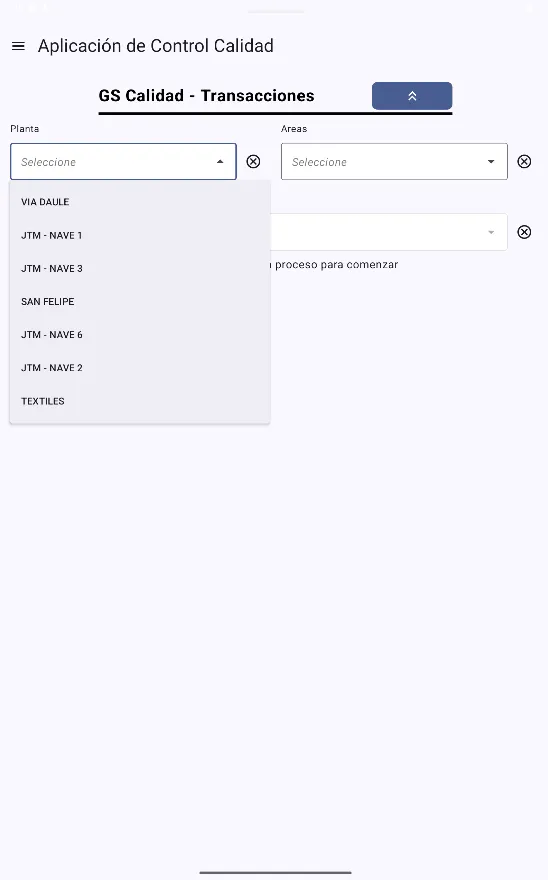
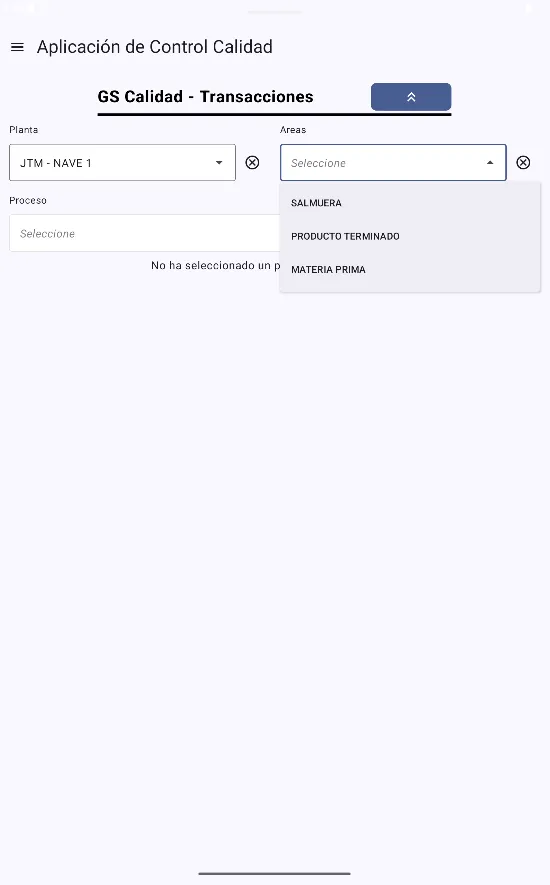
- log in, load reference lists (plants, areas, users, cuts, etc.)
- create quality records and attach evidence (photos / corrective actions)
- keep data consistent with the backend without blocking the operation
The system needed to work reliably offline, then synchronize safely when internet becomes available.
What I built
An offline-first Android application used by the operations/quality team:
- First-run bootstrap via JSON assets (lists and configuration). If the device has internet, lists are refreshed from the backend and the local copies are replaced; otherwise, the app uses the bundled JSON as the initial source of truth.
- Local persistence with Room for both reference data and records (forms).
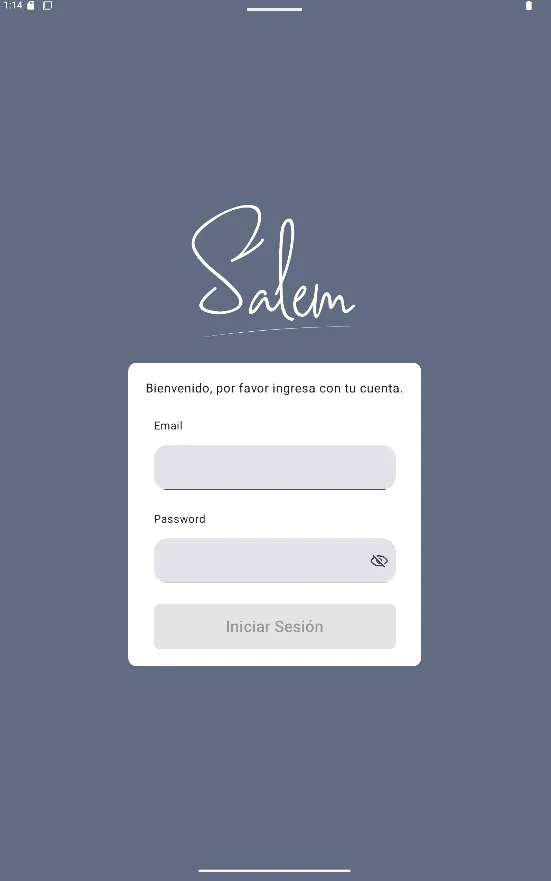
- Auth flow optimized for offline: users are fetched from the backend; password validation happens locally by hashing the login attempt and comparing with the stored hash (Argon2id).
- Record creation + offline queue: when a user saves a record:
- if online → POST immediately
- if offline → store locally with
sync_state = 0and queue it for later
- Attachment pipeline (photos + corrective actions) uploaded after the main record is successfully created.
- Edit authorization flow: some reports can be edited only with a supervisor “unlock key”; the authorization is stored and synced together with the update.
- Reporting module: list/search/preview and edit capabilities (with authorization), aligned with the same workflows available in the web app.
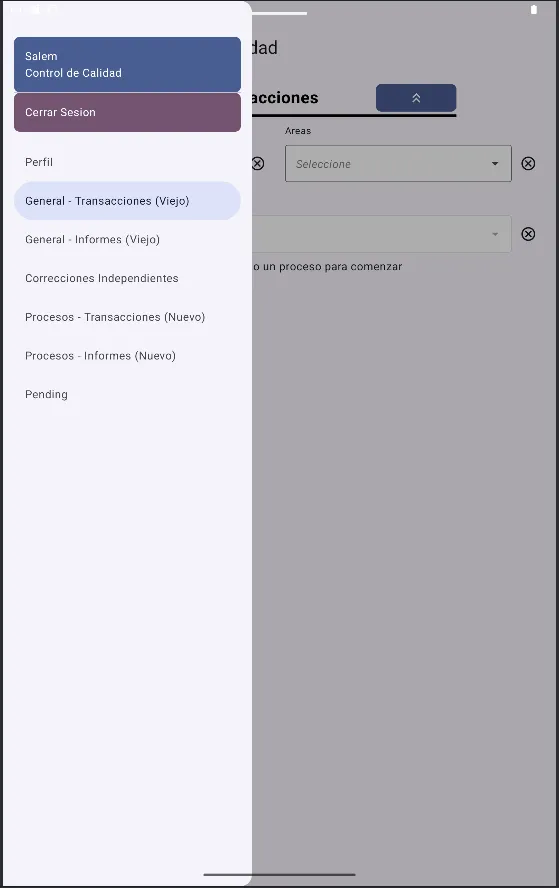
Screenshots
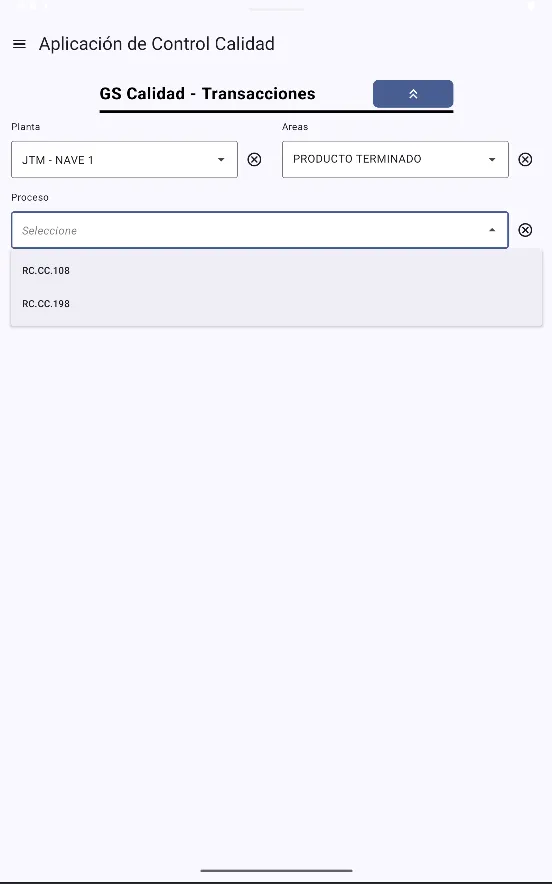
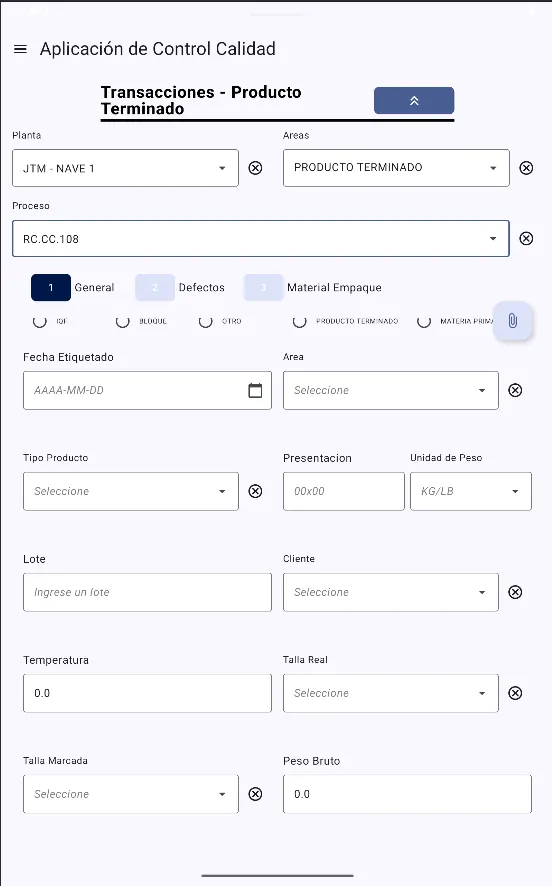
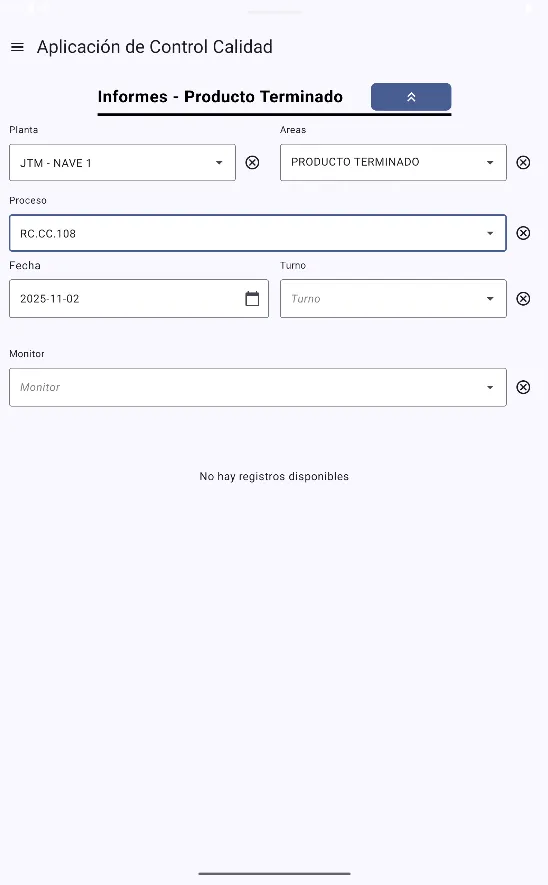
Architecture
- UI: Jetpack Compose + Navigation (drawer-based navigation by environment)
- DI: Hilt (modules for Room DAOs, Retrofit services)
- Local data: Room database with frequent schema changes handled through migrations
- Networking: Retrofit + OkHttp + Moshi
- Auth interceptor injects Bearer token on every request
- Custom
ApiResultcall adapter to unify success/error/network failure handling
- Sync engine: WorkManager background worker
- runs periodically (e.g., every ~15 min) and pushes all local records with
sync_state = 0 - uploads child entities / attachments after the parent record is accepted by the backend
- logs failed posts to a backend endpoint for traceability
- runs periodically (e.g., every ~15 min) and pushes all local records with
Tradeoff (current state): the mobile app is treated as the primary writer. If a record is edited on the web, that change may not reflect back on mobile, and later edits from mobile can overwrite web edits. This is known and tracked as a future improvement.
Challenges & tradeoffs
- Data consistency & conflict resolution: ensuring queued offline records remain valid when reference lists change.
- Unstable connectivity: uploads must be resilient, retry safely, and not corrupt state.
- Large domain model: many forms, lists, and related attachments required strong typing, parsing and mapping.
- Migrations at scale: Room schema evolves frequently; required a disciplined migration strategy and testing.
Results / Impact
- Operators can keep working even with poor connectivity (no data loss).
- Records are standardized across factories and departments.
- Reduced delays by allowing capture on the floor + automated background synchronization.
- Improved traceability: failed sync attempts are reported and auditable.
What I’d improve next
- Introduce bidirectional sync and a clear conflict strategy (server timestamps, versioning, or CRDT-like merge rules depending on entity).
- Replace “replace JSON list” with delta sync (ETags/If-Modified-Since) and caching to reduce bandwidth.
- Add sync observability: user-facing sync status, error dashboard, and structured logs.
- Expand automated tests around migrations + sync (instrumentation tests + fake API).